بِسْمِ اللهِ الرَّحْمٰنِ الرَّحِيْمِ
L'empreinte de Maodo
Install App
Quick access from your home screen
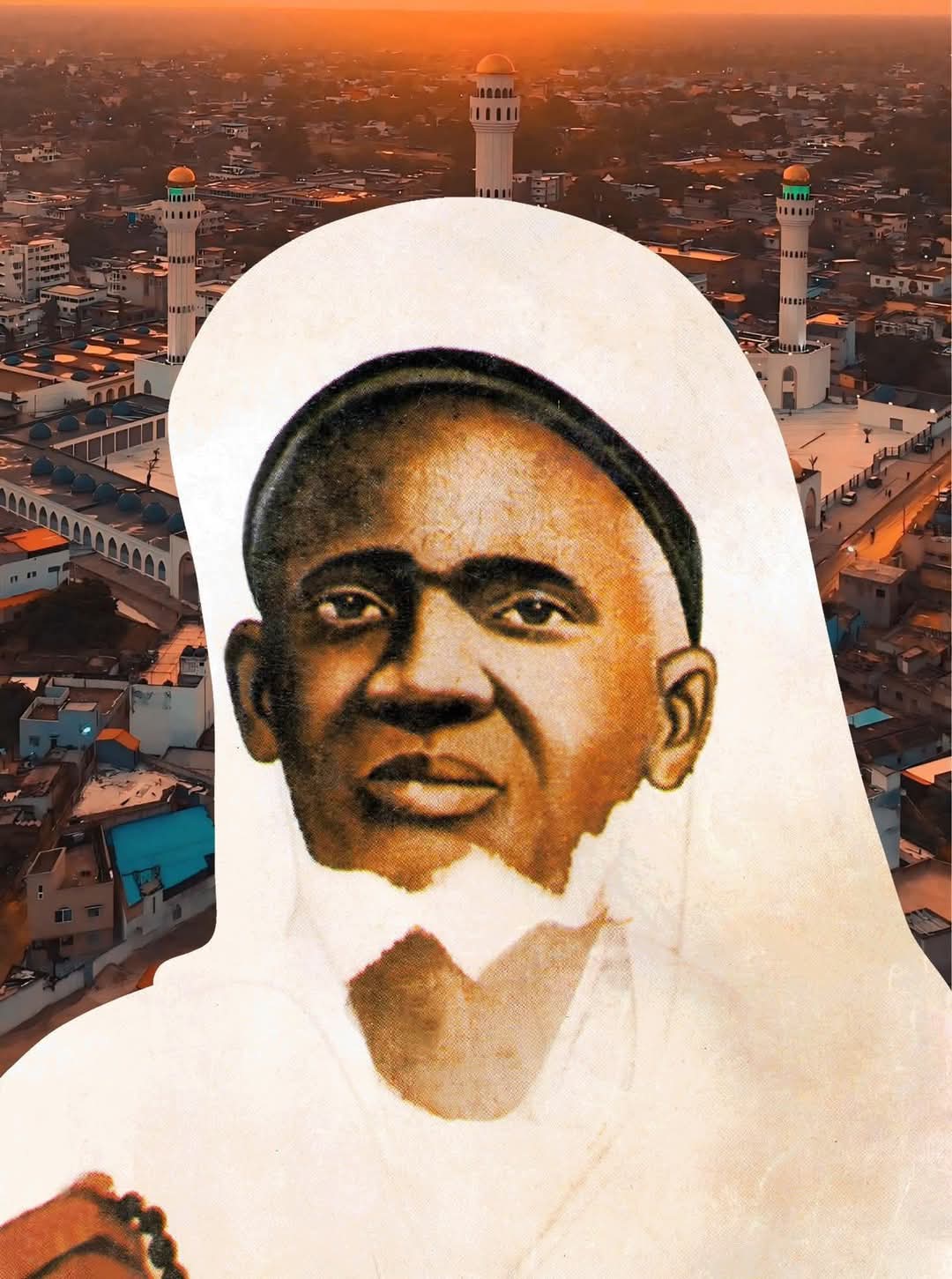
El Hadji Malick Sy (Maodo)
The one who made Tivaouane the beacon of spirituality in West Africa
Introduction
El Hadji Malick Sy (1855-1922), also known as Maodo or Seydil Hadji Malick Sy, was a Senegalese Muslim scholar and one of the most prominent figures of Sufi Islam in West Africa. A marabout of the Tijaniyya brotherhood, he spread this spiritual path in Senegal, particularly in Tivaouane where he founded a zawiya in 1902 and established the Gamou, an annual celebration of the birth of Prophet Muhammad (PBUH).
His work profoundly shaped the religious and social landscape of Senegal, making Tivaouane a radiant spiritual center that attracts millions of faithful every year.
Birth and Origins
El Hadji Malick Sy was born in 1855 in the Daw Fall quarter of Gaya, located in the Dagana department in northern Senegal. A descendant of Fouta Toro through his grandfather Demba Bouna Sy, he was orphaned of his father at a very young age.
He was raised by his maternal uncle Alfa Mayoro Wélé, who initiated him into the Tijaniyya, a Sufi brotherhood founded by Sheikh Sidi Ahmed Tijani (1737-1815). This early education would shape his spiritual destiny and his commitment to the transmission of Islamic knowledge.
Education and Studies
His Quranic, theological, and legal studies lasted about 25 years (1858-1883), in various Senegalese Islamic centers. He studied in Gaya (theology and exegesis), Ndombo (fiqh), Bokhol, Keur Kodé Alassane, Taiba Sèye, Saldé (under Abdou Bitèye), Thiarène, Thilogne, and also in Mauritania.
At the age of 18, he became a complete teacher of Arabic and received the Tidiane wird (hidjaza), in accordance with a prediction by El Hadji Omar Tall, transmitted through his uncle Alfa Mayoro Wélé. This consecration marked the beginning of his mission to spread the Tijaniyya.
Timeline
Birth in Gaya (Dagana department)
Becomes a complete teacher of Arabic at 18
Settlement in Saint-Louis, Senegal
Pilgrimage to Mecca via Marseille and Alexandria
Foundation of the Ndar zawiya (Saint-Louis)
Permanent settlement in Tivaouane and foundation of the zawiya
First edition of Gamou in Tivaouane
Foundation of the Dakar zawiya (Lamine Guèye avenue)
Return to God in Tivaouane
Settlement in Tivaouane
In 1902, at the invitation of the merchant Djibril Guèye and following suggestions from his father-in-law Mor Massamba Diery Dieng, El Hadji Malick Sy settled permanently in Tivaouane, in Cayor.
It was there that he founded his zawiya and transformed a traditional celebration into the Gamou, a spiritual vigil of praises to the Prophet with Quranic readings. This celebration quickly attracted masses of faithful, making Tivaouane the fifth largest city in Senegal in 1904.
The choice of Tivaouane was not coincidental: this city would become the spiritual heart of the Tijaniyya in West Africa, radiating well beyond Senegalese borders.
Works and Contributions
Qilâsu thahab (The decanted gold) - Major theological work
Spread of Tijaniyya in sub-Saharan Africa
Foundation of numerous daaras (Quranic schools)
Construction of mosques throughout Senegal
Institution of Gamou as a national celebration
Promotion of social peace and interfaith dialogue
Establishment of diplomatic ties with Morocco (Fez zawiya)
Training of thousands of disciples and scholars
Legacy and Succession
El Hadji Malick Sy died on June 27, 1922 in Tivaouane, where he is buried. His son Seydi Ababacar Sy (1885-1957) succeeded him as general khalifa of Senegalese Tijanes, followed by Abdou Aziz Sy (died 1997) and Mansour Sy.
Today, the Tijanes represent the largest Sufi brotherhood in Senegal. The Gamou of Tivaouane attracts millions of pilgrims from around the world every year to commemorate the birth of the Prophet and celebrate the spiritual heritage of Maodo.
His message of peace, education, and spirituality continues to inspire generations of Muslims in Africa and beyond.
Words of Maodo
Knowledge is a light that God places in the heart of whomever He wills.
Knowledge that does not lead to piety is a burden, not a blessing.
Serve God with love, and love His creatures as a manifestation of your love for Him.
"اللَّهُمَّ صَلِّ عَلَى سَيِّدِنَا مُحَمَّدٍ الْفَاتِحِ لِمَا أُغْلِقَ"